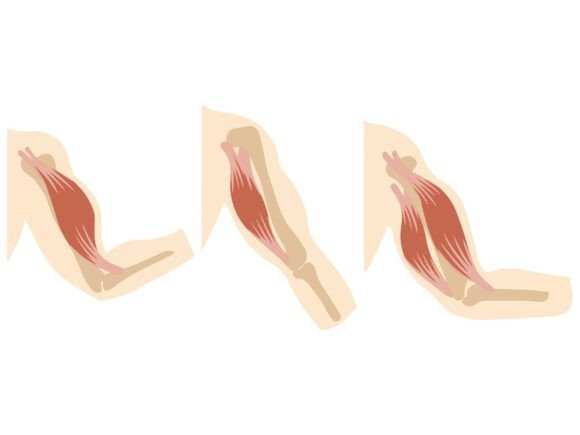
Human Muscle Anatomy Illustration
As a designer and embroidery product reviewer, I often find myself evaluating digital files for their real-world usability. Human Muscle Anatomy Illustration caught my attention not just for its unique theme but for how it could translate into practical embroidery projects. This design has a clear purpose, and when used correctly, it can elevate a handmade product or commercial item with both educational and aesthetic value.
First Impressions: A Bold, Educational Statement
The first thing that stands out about Human Muscle Anatomy Illustration is its clarity. The layout is clean, with each muscle clearly defined and labeled. The illustration has a professional, almost textbook feel, which makes it ideal for educational or health-related products. The level of detail is impressive, especially for an embroidery file, and it suggests that the design was created with precision in mind.
The visual personality of this design is serious and informative, which means it doesn’t fit every project. It’s more suited for items like custom apparel, wall art, or promotional merchandise rather than something playful or whimsical. However, that same seriousness can be a strength—especially if you're targeting niche markets like fitness enthusiasts, medical professionals, or educational institutions.
Real-World Embroidery Performance
When considering how Human Muscle Anatomy Illustration performs in real-life embroidery situations, there are several factors to keep in mind. For custom apparel like t-shirts, sweatshirts, or tote bags, this design can make a strong visual statement. The detail level is high enough to be recognizable, but it also requires careful stitching to avoid distortion.
For baby items or nursery decor, the design might be too intense. However, if scaled down and simplified, it could work as a subtle, artistic element on onesies or crib bedding. The same goes for holiday or wedding gifts—while the design isn’t traditional, it could add a unique touch to personalized items like embroidered patches or aprons.
In commercial embroidery projects, such as boutique branding or small shop merchandise, Human Muscle Anatomy Illustration can serve as a conversation starter. Its educational angle can help differentiate your products from generic designs, especially if you're targeting a specific audience.
Where to Use It Carefully
There are certain scenarios where this design may not perform as well. Small hoop sizes, for example, could limit the ability to stitch the full illustration without breaking it into sections. Textured fabrics or thin materials might cause the stitches to show through or become less visible.
Stretchy or dark fabrics can also be problematic. If the design relies on fine details, they might not show up well on darker backgrounds. Similarly, curved surfaces like caps or hoods may require some reworking of the design to ensure even stitching and proper placement.
Dense stitch areas or intricate corners can be challenging, especially if the design wasn’t optimized for machine embroidery. It’s important to check the stitch density and test the file on scrap fabric before committing to a final project.
Impact on Visual Appeal and Customer Perception
Human Muscle Anatomy Illustration has the potential to significantly boost the visual appeal of a finished product. When stitched correctly, it can look professional and eye-catching, especially on larger items like pillow covers or wall art. The level of detail adds value, making it a great choice for handmade products that aim to stand out.
From a customer perspective, this design can build trust and credibility. If you’re selling it as a digital embroidery file or using it in your own craft business, the quality of the illustration reflects your attention to detail. It also enhances the giftability of your products, as it offers both aesthetic and educational value.
For brand consistency, this design can be a powerful asset. If your business focuses on health, fitness, or educational themes, incorporating Human Muscle Anatomy Illustration can reinforce your brand identity and attract a targeted audience.
Practical Designer Notes
Before using Human Muscle Anatomy Illustration in your projects, here are a few key steps to take:
- Test the design on scrap fabric to see how it looks in different thread colors and fabric textures.
- Check stitch density to ensure it won’t cause puckering or distortion on delicate materials.
- Confirm the hoop size required for the design to avoid unnecessary splitting or resizing.
- Inspect small details to make sure labels and lines remain legible after stitching.
- Test in black and white mockups to evaluate contrast and visibility on various backgrounds.
- Use proper stabilizer to prevent shifting, especially on stretchy or lightweight fabrics.
- Review licensing terms before selling finished items or digital products.
Whether you're an Etsy seller, a small shop owner, or a craft business operator, Human Muscle Anatomy Illustration offers a unique opportunity to create meaningful, high-quality embroidered items. With the right approach, it can become a standout piece in your collection.
Final Thoughts: A Design with Purpose
Human Muscle Anatomy Illustration isn’t just another graphic—it’s a functional, detailed design that can enhance a wide range of embroidery projects. Its educational value, combined with its visual appeal, makes it a versatile asset for designers and entrepreneurs alike.
While it may not be the best fit for every project, when used appropriately, it can elevate your work and offer real value to your customers. As with any machine embroidery design, the key is to understand its strengths and limitations before integrating it into your workflow.