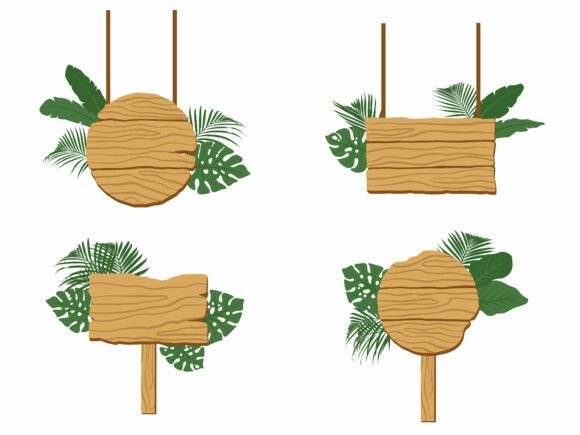
Wooden Sign Frame Background
As a designer and embroidery product reviewer, I often find myself evaluating digital files for their real-world usability. The Wooden Sign Frame Background Illustration is one such design that offers a unique aesthetic but requires careful consideration before use in actual projects.
First Impressions: A Design with Potential
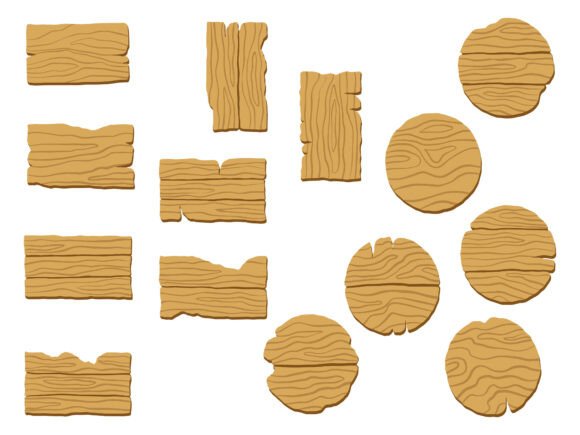
The Wooden Sign Frame Background has a rustic, nostalgic feel that evokes images of handcrafted signs, vintage decor, and artisanal craftsmanship. Its layout is clean, with a central frame that could easily be adapted to various sizes and shapes. The design’s theme leans toward traditional or farmhouse-style aesthetics, making it ideal for products that aim to convey warmth and authenticity.
The level of detail is moderate—enough to add visual interest without overwhelming the eye. It features a subtle wood grain texture that can be enhanced with appropriate stitch techniques. However, the design’s simplicity may not suit projects requiring intricate patterns or high contrast.
This illustration works best as a background element rather than a standalone motif. It’s perfect for adding depth to embroidered items like tote bags, aprons, or wall art where a frame can highlight other elements such as text or smaller graphics.
Real-World Embroidery Performance
When considering the Wooden Sign Frame Background for real embroidery projects, its performance depends heavily on how it’s applied. For custom apparel like t-shirts or sweatshirts, the design may require some adjustment to ensure it doesn’t get lost in the fabric texture. On lighter fabrics, the frame may appear too faint, while on darker materials, it could stand out more effectively.
For baby items or delicate garments, the design’s edges need careful attention. If the frame includes sharp corners or intricate details, they may not translate well onto stretchy or thin fabrics. In such cases, simplifying the design or using a different style might be necessary.
The Wooden Sign Frame Background also lends itself well to embroidered patches or applique designs. When used in this context, the frame can serve as a border for other embroidered elements, creating a cohesive look. However, if the design is too dense, it may cause puckering or distortion on certain fabrics.
Where to Use It Carefully
There are several scenarios where the Wooden Sign Frame Background may not perform as expected. Small hoop sizes can limit the ability to stitch larger sections of the design, especially if the frame spans across the entire area. This could lead to incomplete stitching or gaps in the final product.
Textured fabrics like denim or canvas may make the design less visible, particularly if the thread color doesn’t contrast enough with the material. Thin or stretchy fabrics may also pose challenges, as the design could become distorted or lose definition after washing.
On dark fabrics, the frame may appear too light, reducing its impact. Conversely, on light backgrounds, it might blend in too much. Testing the design on both light and dark fabric samples is essential to determine its versatility.
Curved surfaces like caps or hoods can also affect the outcome. The frame’s straight lines may not follow the curve as smoothly as desired, leading to an uneven appearance. Similarly, detailed corners or tiny lettering within the design may not hold up well under repeated wear or washing.
Impact on Visual Appeal and Product Value
The Wooden Sign Frame Background has the potential to enhance the visual appeal of a finished product when used thoughtfully. It adds a layer of sophistication and can elevate the perceived value of handmade or personalized gifts. Customers often appreciate the effort and care that go into creating a unique design, which can increase trust and satisfaction.
In commercial embroidery projects, the design can help maintain brand consistency, especially for businesses that rely on a specific aesthetic. It also supports giftability, as the frame can serve as a focal point for holiday or wedding-themed items.
However, if the design isn’t executed properly, it can detract from the overall look. Poor stitching, incorrect thread colors, or improper stabilizer use can result in a cheap or unprofessional appearance. This is why testing the design on scrap fabric before applying it to a final project is always recommended.
Practical Designer Notes
Before incorporating the Wooden Sign Frame Background into any project, I recommend testing it on a small piece of fabric to see how it looks in different lighting and fabric types. Check the thread color contrast to ensure the design stands out appropriately. Review the stitch density to avoid issues with puckering or distortion.
Confirm the hoop size needed to accommodate the design, and inspect small details to make sure they’re clear and defined. Test the design in black and white mockups to assess its visibility and clarity. Compare it against both light and dark fabric backgrounds to determine its adaptability.
Using the right stabilizer is crucial, especially for delicate or stretchy fabrics. Ensure the design works for both personal and commercial use, and verify the licensing terms before selling finished items or digital products. This helps avoid legal issues and ensures the design is used responsibly.
Final Thoughts
The Wooden Sign Frame Background is a versatile design that can work well in a variety of embroidery projects. Its rustic charm makes it suitable for handmade products, personalized gifts, and boutique merchandise. However, its success depends on how it’s applied and the materials used.
For embroidery designers, small business owners, and crafters, this design offers a great starting point for creating visually appealing and marketable items. With proper planning and execution, it can become a valuable addition to any creative project or product line.