Straw Animal Feed Illustration
As an embroidery designer with years of experience, I always start by evaluating a design’s potential before committing it to a project. The Straw Animal Feed Illustration is no exception. This graphic offers a unique blend of rustic charm and visual clarity that could work well in a variety of handmade and commercial applications. But like any design, its success depends on how it’s used and the context in which it appears.
First Impressions: A Design That Speaks to Simplicity and Character
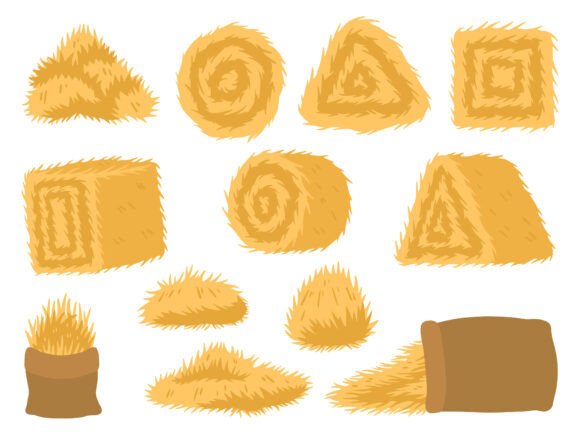
The Straw Animal Feed Illustration immediately catches the eye with its clean lines and minimalistic approach. It features a stylized depiction of animal feed, likely using straw or hay as the central element. The overall mood is cozy, earthy, and slightly whimsical—perfect for products that evoke a sense of warmth and nature.
The layout is straightforward, with the main subject centered and surrounded by subtle textures that add depth without overwhelming the composition. The detail level is moderate, making it ideal for designs that don’t require excessive complexity. It feels like a design that would thrive on a tote bag, a baby onesie, or a wall art piece, rather than something that needs intricate stitching.
This illustration has a visual personality that leans toward rustic or farmhouse aesthetics. It would fit naturally into projects aimed at customers who appreciate simplicity, authenticity, and a touch of nostalgia.
Real-Life Embroidery Use: Where It Shines and Where It Needs Care
When considering the Straw Animal Feed Illustration for real-life embroidery, there are several factors to keep in mind. For custom apparel like t-shirts, sweatshirts, or tote bags, this design can be a great fit. Its moderate stitch count and clear outlines make it suitable for most standard hoop sizes, especially if the design is scaled appropriately.
However, the design may not be ideal for small hoop sizes. If you’re planning to use it on items like caps or patches, you’ll need to ensure that the design isn’t too detailed for the space. Tiny corners or intricate elements might get lost or distorted during the stitching process.
On textured fabrics, such as denim or canvas, the design should hold up well. But on thin or stretchy materials, it’s important to use the right stabilizer to prevent puckering or distortion. Dark fabrics may also require careful consideration of thread color contrast to ensure the design stands out clearly.
For baby items or nursery decor, the design’s simplicity is a plus. It avoids overly complex details that might be hard to stitch or could look cluttered on small surfaces. However, if you’re planning to use it on a pillow cover or a kitchen towel, you’ll want to test it first to see how it holds up under repeated washing and use.
Design Performance: Visual Appeal and Practicality
The Straw Animal Feed Illustration has a strong visual appeal when stitched correctly. Its clean shapes and balanced composition make it easy to recognize, even from a distance. This is particularly useful for products like embroidered patches or tote bags that need to be eye-catching but not overwhelming.
In terms of stitching clarity, the design benefits from a reasonable stitch density. It shouldn’t require excessive time or effort to complete, making it a good choice for both hobbyists and small business owners looking to produce items efficiently.
From a product value perspective, this design could enhance the appeal of handmade products or personalized gifts. Customers often look for unique, meaningful designs, and the Straw Animal Feed Illustration offers a fresh, original concept that could resonate with a niche audience.
For Etsy sellers or craft business owners, this design could serve as a solid foundation for printable mockups or digital product previews. It’s versatile enough to be adapted for different uses, whether as a standalone embroidery file or part of a larger collection.
Where to Use It Carefully: Tips for Success
While the Straw Animal Feed Illustration is generally user-friendly, there are some situations where caution is needed. If you're working with layered garments or curved surfaces like caps, the design may require adjustments to fit properly. Similarly, if the design includes tiny lettering or decorative accents, those elements might not translate well to certain fabric types or hoop sizes.
For commercial embroidery projects, it’s important to confirm that the design is licensed for resale. Even though the product description mentions multiple uses, it’s always wise to double-check the terms before selling finished items or digital products.
Another key consideration is the fabric type. Thin or stretchy materials may require additional stabilizer support to maintain the integrity of the design. Dark fabrics may also need a contrasting thread color to ensure visibility and professionalism.
Embroidery Designer Notes: Testing and Preparation
Before using the Straw Animal Feed Illustration on a final project, I recommend testing it on scrap fabric. This will help you understand how the design looks in practice and identify any potential issues with stitch density or thread color.
Reviewing the stitch density is essential. If the design is too dense, it may cause the fabric to pucker or become stiff. On the other hand, if it's too light, the design may appear faint or incomplete.
Confirming the correct hoop size is another critical step. If the design is too large for your machine’s hoop, you may need to scale it down or split it into sections. This is especially important for items like aprons or baby clothes, where precise placement matters.
Inspecting small details is also crucial. If the design includes fine lines or intricate patterns, they should be visible and consistent across different fabric types. Testing the design in black and white mockups can help you see how it looks without color, which is useful for print-on-demand or digital product previews.
Finally, comparing the design on light and dark fabric backgrounds can reveal how well it adapts to different settings. This is particularly important for products that may be used in various environments, such as holiday gifts or boutique merchandise.